How Having Multiple Home Pages Can Hurt Your Google and AI Engine Rankings
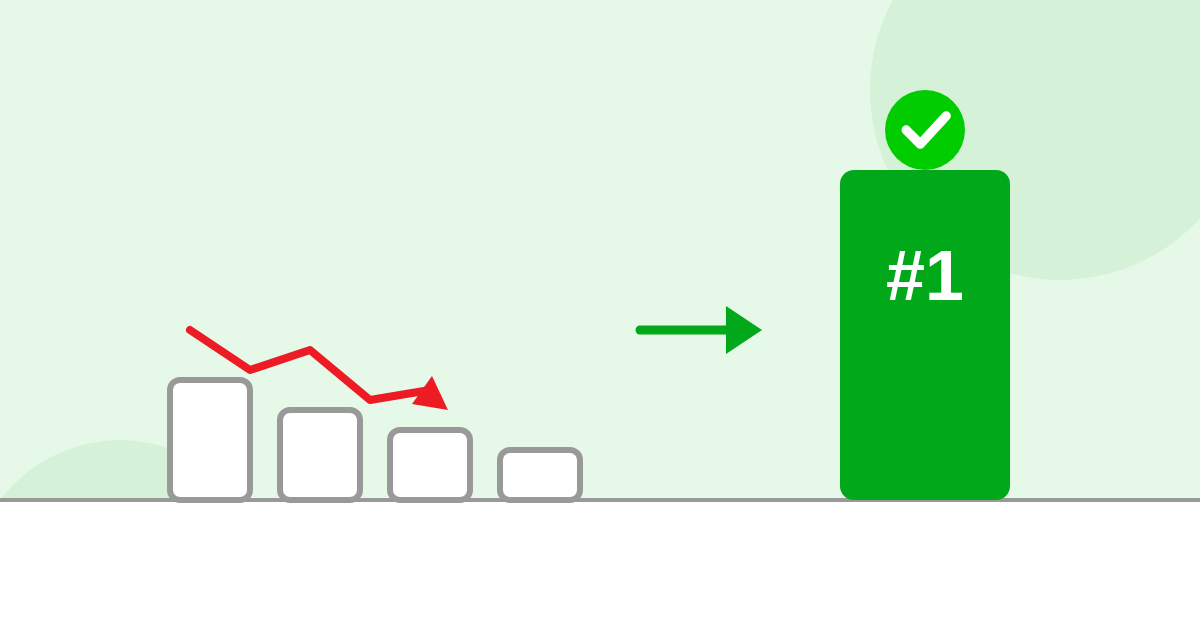
The short answer: when your home page can be opened at several addresses, Google and AI engines may treat each address as a separate page. The trust your website has earned gets shared out between the copies, and no single copy looks as strong as it should. The result can be lower rankings on Google and fewer mentions in AI answers.
If you are not sure how a website ends up with extra home pages in the first place, start with how a site ends up with more than four home pages.
1. Your votes get split
Links from other websites work like votes of trust. If those links point to three or four different versions of your home page, the votes are divided between them. A competitor with fewer links, all pointing to one address, can end up looking stronger than you.
2. Google has to guess which page is the real one
When Google finds several pages with the same content, it picks one to show and mostly ignores the rest. It does not always pick the one you would choose. It might show the address without the padlock, or an old /index.html page. That looks less professional in the search results and can cost you clicks.
3. Google wastes its visit on copies
Google only spends a limited amount of time reading each website. Every minute it spends reading copies of your home page is a minute it does not spend on your service pages, your new blog posts or your updated prices. New content can take longer to show up in search.
4. Visitors may see a “Not secure” warning
If the http version of your home page still opens (the one without the “s”), browsers can show a “Not secure” warning. Many people leave right away when they see it. Google prefers secure pages, and a site that still serves the insecure version is sending a poor signal.
5. Your own numbers get muddy
When visits are spread over several addresses, your reports are too. It gets harder to see how many people really visit your home page and where they came from.
How this affects AI engines
AI engines such as ChatGPT, Gemini, Perplexity and Google’s AI answers do not read the whole web fresh every time someone asks a question. They lean on search results and on signs of trust to decide which websites to read and mention. If your trust is divided between several copies of your home page, you look weaker than you are, and a weaker site is less likely to be chosen as a source.
There is a second problem. AI engines like clear, consistent facts. When the same business appears at several addresses, some secure and some not, it is a little harder for a machine to be sure they are all the same business. Clear and simple wins.
How much difference can the fix make?
It depends on the website. If your site has very few links from other websites, there is not much trust to split, so the change may be small. If your site has many good links spread across several addresses, the change can be large.
We saw this with a Budget Car Rental franchise. The website was good and the backlinks were excellent, but it sat at #8 for its most important keyword. The home page had four front doors. We closed three. No new pages and no new links. Within 8 weeks the site reached #1 for its most important, and most difficult, keyword.
Not every site will see a jump like that. But the fix is small, it is safe, and it removes a handicap your competitors may not have.
What to do next
- Run the free test to see how many front doors your home page has.
- If you get a yellow or red light, click the green button. We write a note for your web developer using your real addresses.
- Send the note. The fix usually takes under an hour.
- Test again in a few weeks. Google needs a little time to notice the change.