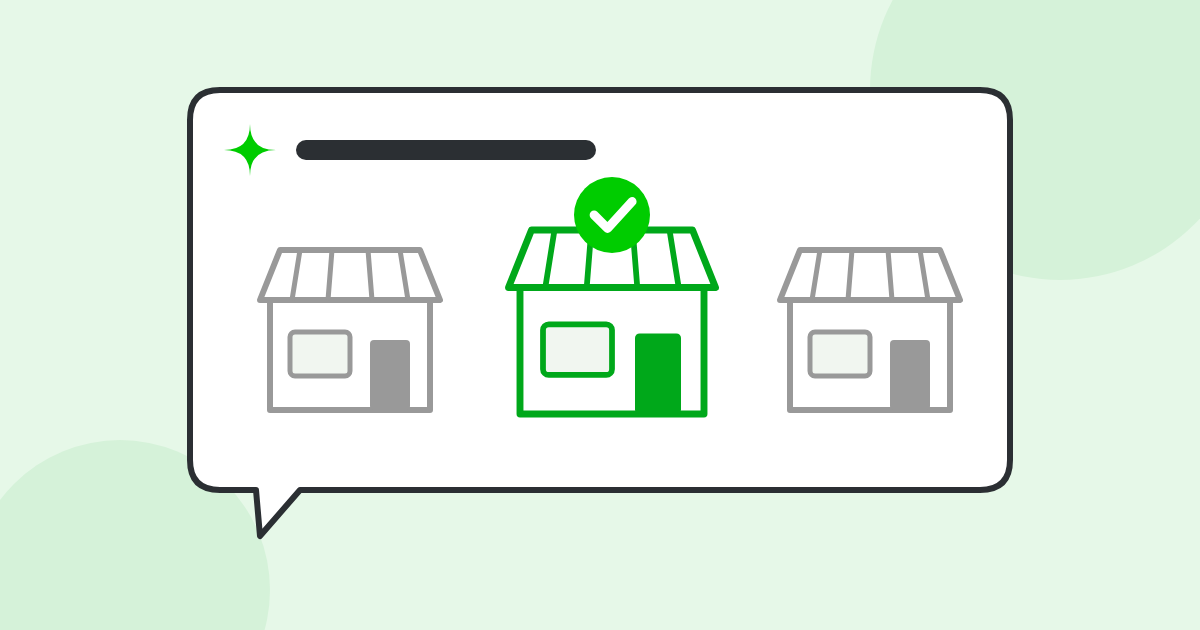
The short answer: AI engines mention businesses they can find, understand and trust. They find you through search results and their own web robots. They understand you when your pages answer questions in plain words. They trust you when other websites and real customers say the same things about you that you say about yourself.
First, how an AI engine gets its answers
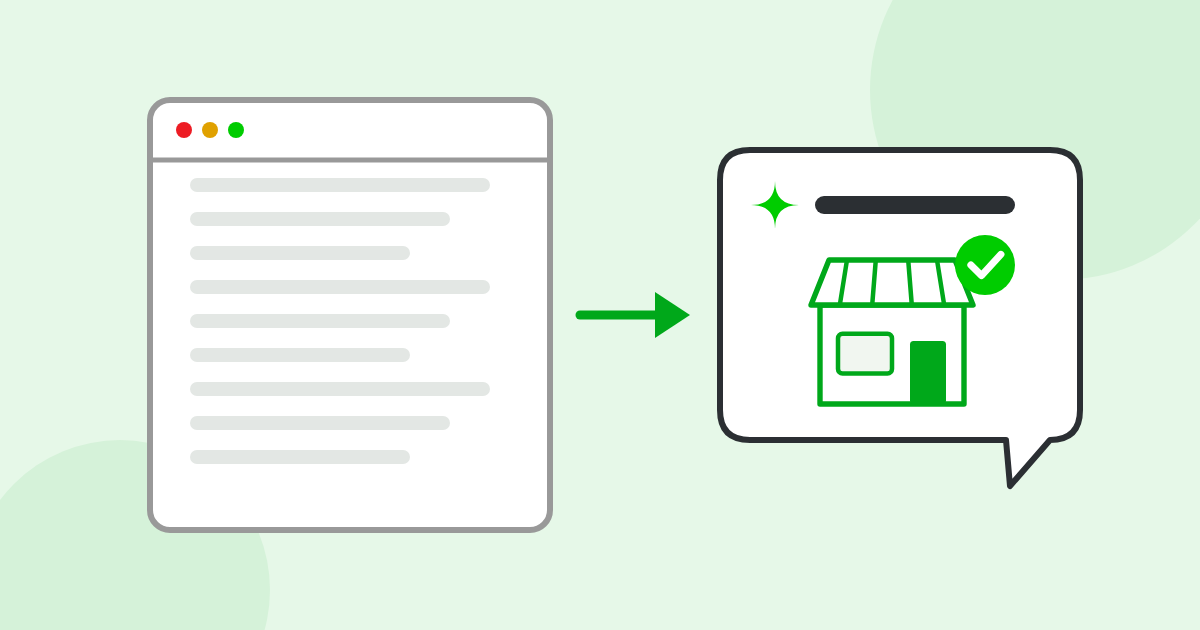
When someone asks ChatGPT, Gemini, Perplexity or Google’s AI for “a good plumber near me”, the AI does two things. It uses what it learned when it was trained, which is a huge snapshot of the web from the past. And more and more often, it also runs a live web search, reads a handful of pages, and builds an answer from them.
That second step matters most for a local business. It means the AI is reading real web pages today, and yours can be one of them.
1. It has to be able to find you
AI engines lean heavily on normal search results. If your site does not show up on Google or Bing for a question, it is much less likely to show up in an AI answer to the same question. So the basics still count: a site that search engines can read, one clear home page address, and pages about the things you actually sell.
AI companies also send their own robots to read websites. If your site blocks them, often by accident, you are invisible to that AI. We cover this in 7 things that quietly stop AI from finding you.
2. It has to understand what you do
AI reads words. It cannot do much with a beautiful photo and the slogan “Excellence in everything”. It needs plain statements like:
- who you are
- what you do
- where you do it
- who you do it for
- how to reach you
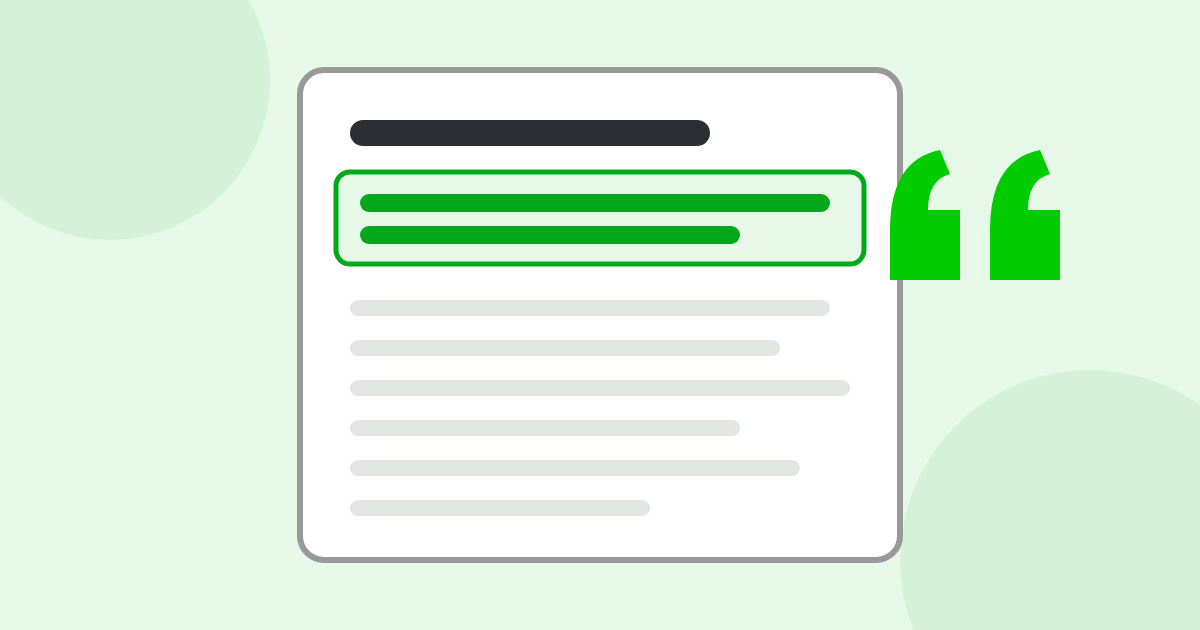
The easiest pages for AI to use are pages that answer a real question clearly, right at the top. “How much does it cost to replace a water heater in Austin?” followed by an honest answer is far more useful to an AI than three paragraphs of welcome text.
3. It has to trust you
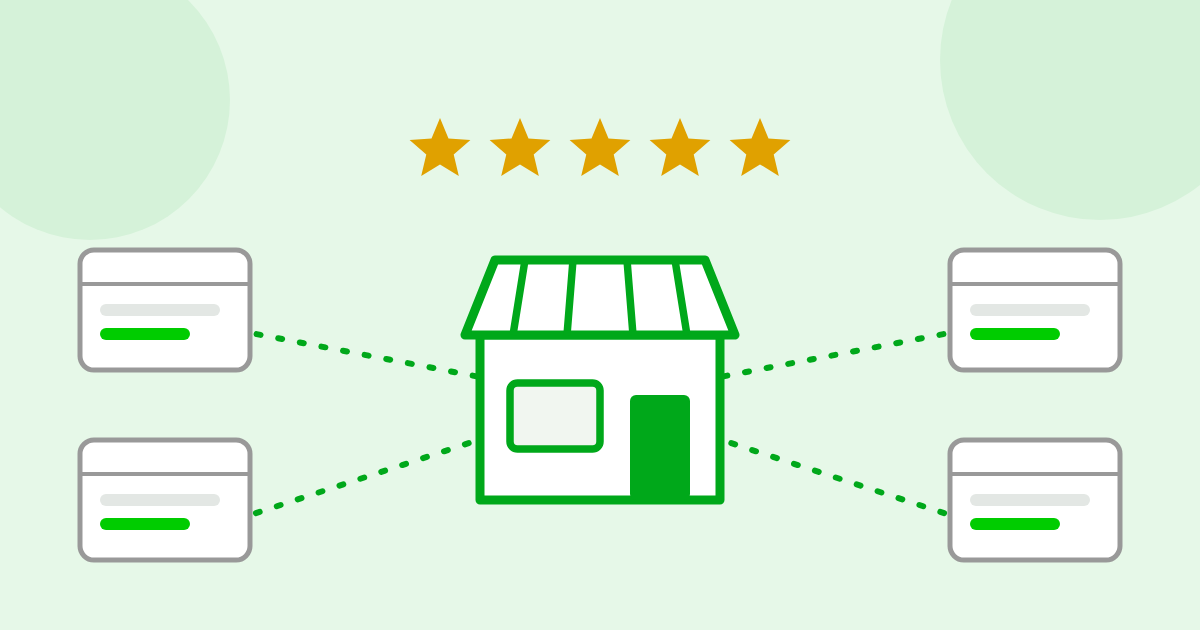
AI engines try hard not to recommend a bad business. So they look for agreement. Do other websites mention you? Are you listed in the places a real business would be listed, such as Google Business Profile, Yelp, your local chamber of commerce or trade groups? Do your name, address and phone number match everywhere? Do real customers leave reviews?
The more places that tell the same story about you, the safer you are to mention.
4. Your information should be fresh
A site that was last updated in 2019 looks risky. Current hours, current prices, a recent blog post or a recent review all tell the AI that you are still in business.
What does not work
You cannot pay ChatGPT to mention you. Stuffing your pages with keywords does not help, and neither does copying text from other websites. There is no secret code. The businesses that get mentioned are the ones that are easy to find, easy to understand and easy to trust.
Where to start
- See where you stand with the 15-minute AI visibility check.
- Make sure your home page has one address. The free test takes 10 seconds.
- Read your home page and About page as if you were a stranger. Do they say plainly who you are, what you do, where you do it and who you do it for? If necessary, rewrite them so they do.